Licensed hazardous waste removal in Sidcup: safety first
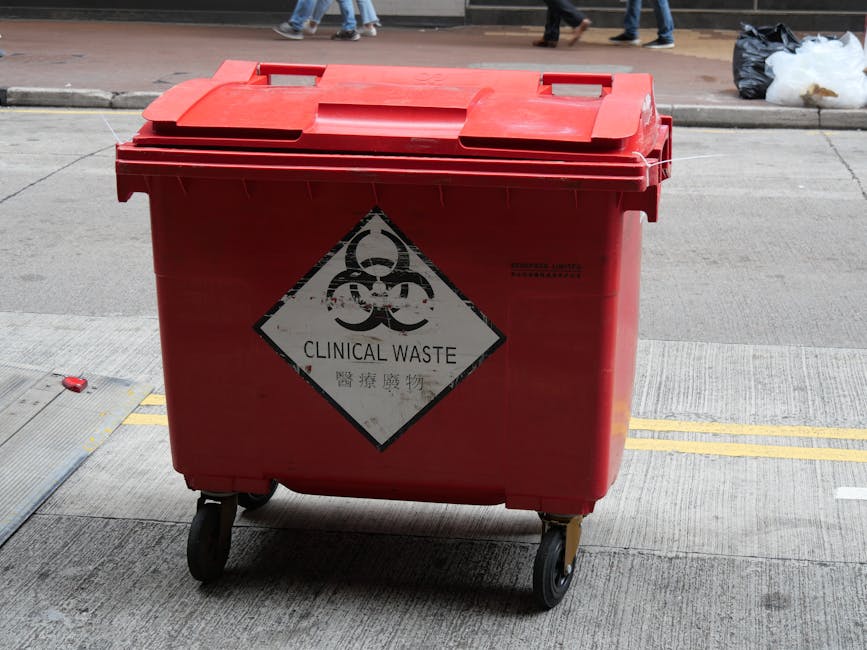
If you have hazardous waste sitting in a garage, office store room, loft, or half-finished refurbishment, the safest move is usually the simplest one: get it handled properly. Licensed hazardous waste removal in Sidcup: safety first is about more than "getting rid of stuff". It is about protecting people, property, and the environment from materials that can burn, leak, corrode, poison, or contaminate if they are moved badly. That might sound dramatic, but truth be told, a single poor decision with the wrong waste can turn a small clearance job into a costly headache.
In this guide, we will break down what licensed hazardous waste removal actually involves, why it matters in Sidcup, how the process typically works, and what to look for before you let anyone near the waste. You will also find practical checklists, common mistakes, and a realistic example of how a safe clearance tends to unfold.
Expert summary: if waste could harm health, damage surfaces, release fumes, or create a legal disposal issue, treat it as hazardous until it has been identified and removed by a properly licensed operator.
Why licensed hazardous waste removal in Sidcup matters
Hazardous waste is not just "messy waste". It is waste that needs careful identification, safe containment, transport controls, and lawful disposal or treatment. That can include items such as solvent-based paints, asbestos-containing materials, oils, batteries, fluorescent tubes, certain chemicals, contaminated rags, and electrical items with unsafe components. Some of these may look harmless at first glance. A dusty tin, a cracked container, or a warped panel in a corner can still cause a problem.
In a busy local area like Sidcup, the risks are easy to underestimate. Homes, shops, offices, and renovation projects often generate mixed waste streams, and hazardous items can be tucked inside ordinary clearances. One practical example: a loft clearance may reveal old tins of paint and mystery bottles left for years. If those are thrown into a general load, the issue is no longer just disposal. It becomes a safety, handling, and compliance concern.
This is why a licensed approach matters. It means the people collecting the waste understand classification, segregation, containment, transport rules, and safe handover. It also means there is a proper paper trail and a lower chance of waste ending up somewhere it should not. Let's face it, nobody wants a cheap shortcut that becomes an environmental or legal mess later on.
There is another side to this too. Good hazardous waste removal protects the people doing the work, your neighbours, cleaners, builders, and anyone who later uses the space. That is the bit people often forget. Safety is not just about ticking boxes. It is about making sure a room, property, or site can be used again without lingering risk.
How licensed hazardous waste removal in Sidcup works
The process usually starts with identification. Before anything is moved, the waste needs to be recognised for what it is. That sounds obvious, but in practice it is not always straightforward. Some materials are clearly marked; others are not. A professional will usually ask what the item is, where it came from, whether the container is intact, and whether it has been mixed with other waste.
After identification comes planning. A safe collection is rarely just "load and go". It usually involves deciding how the waste will be boxed, bagged, wrapped, labelled, or separated from other items. For some jobs, the route out of the property matters as much as the waste itself. Narrow stairwells, shared entrances, or uneven access can affect how the collection is done. That is especially relevant in flats and mixed-use buildings where one bad move can affect everyone.
Then comes transport and disposal. A licensed operator will arrange transport in a way that supports safe handling and lawful transfer. Depending on the waste, that may mean using sealed containers, secure loading, or specific handling controls. The goal is to avoid spills, breakages, vapour release, or accidental contact. Small detail, big difference.
Finally, there is documentation and aftercare. Proper hazardous waste removal should not disappear into a van and a shrug. You should expect some form of record or transfer paperwork, and you should know what has been removed, how it has been categorised, and what happens next. If you are managing a business site, that paper trail is often one of the most useful things you can keep.
For readers also dealing with broader clearances, it can help to separate ordinary waste from specialist waste early on. Services such as general waste removal, office clearance, or builders waste clearance may cover the non-hazardous side of a job, while hazardous items need their own careful route. That distinction saves time and avoids confusion on the day.
Key benefits and practical advantages
There are obvious safety benefits, but the practical advantages are just as important. A licensed, structured approach reduces guesswork. It also reduces the chance of accidental contamination, improper storage, or mixing waste types that should never sit together. In real terms, that means fewer delays and fewer unpleasant surprises.
- Safer handling: trained teams know how to move potentially dangerous materials without creating extra risk.
- Cleaner premises: hazardous residues, leaks, and odours are less likely to spread.
- Reduced liability: you are less exposed to problems caused by incorrect disposal.
- Better organisation: waste is sorted properly from the start, which keeps the job efficient.
- Less disruption: a well-planned clearance is usually quicker and calmer for everyone involved.
There is also a reputational angle for businesses. If you manage an office, retail unit, workshop, or rental property, how you handle waste says something about your standards. A tidy, professional clearance process reflects well on the people in charge. That may sound slightly soft, but in practice it matters.
For larger or mixed clearances, many clients combine hazardous waste work with related services such as business waste removal, house clearance, or home clearance. That kind of joined-up approach can make the whole project feel less chaotic. Which, after a few days of cleaning, sorting, and moving boxes, is no bad thing.
Key takeaway: the safest hazardous waste removal is the one that is planned before lifting begins, not after the van is already outside.
Who this is for and when it makes sense
This service is relevant to far more people than many realise. Homeowners may need it after a declutter, renovation, or inherited property clearance. Landlords may find old containers or contaminated materials after tenants move out. Businesses may discover stored chemicals, broken lamps, batteries, or maintenance waste in back rooms, plant areas, or offices. Builders may come across suspect materials in older properties. And yes, even a garage that has "only been used for storage" can hide the odd awkward item.
It makes sense to bring in licensed help when:
- you are not sure what the substance or item actually is;
- the item is leaking, damaged, or emitting fumes;
- the waste has been mixed with general rubbish;
- you have multiple categories of waste in one location;
- you are working in a shared building or busy business premises;
- you want proper handling rather than a risky DIY approach;
- you need the waste removed without creating a disturbance.
To be fair, a lot of people wait until the last minute. They discover the waste during a move, a clearance, or a refurbishment and then suddenly need a fix by tomorrow morning. That happens. The important thing is not to improvise with dangerous materials. A careful operator can usually help you stabilise the situation first, then remove it safely.
Step-by-step guidance
If you are preparing for hazardous waste removal, this is the simplest way to think about the job.
- Identify what you have. Look for labels, containers, marks, leaks, odours, or any sign that the waste is chemical, contaminated, or otherwise specialist.
- Separate it from ordinary waste. Keep it away from general bags, cardboard, furniture, and recyclables so nothing gets mixed accidentally.
- Avoid disturbing it unnecessarily. Do not tip, pour, or decant substances unless you are specifically trained and equipped to do so.
- Make the area safe. Limit access, open windows if appropriate, and keep children, pets, staff, or customers away.
- Ask for a collection plan. A professional should explain how the item will be contained, moved, and dealt with.
- Confirm the paperwork. For regulated waste, records matter. Keep whatever transfer details you are given.
- Check the area afterwards. Make sure residues, broken pieces, or contamination have been dealt with properly.
If the waste came from a specific clearance project, it can help to line up the job with the rest of the property work. A garage, loft, or flat clearance often throws up a few surprise items, and bundling the hazardous bits into a separate, controlled removal keeps the overall job on track. If you are already arranging a broader declutter, services like garage clearance, loft clearance, or flat clearance can be a useful starting point for the non-hazardous parts.
Expert tips for better results
After many clearance jobs, one thing becomes very clear: the best outcomes usually come from good preparation. Not perfection. Just sensible prep.
1. Do not assume every old container is empty. A paint tin, solvent bottle, or chemical sprayer can retain residue long after it looks finished. That residue is often enough to matter.
2. Take a few photos before anything moves. This is especially useful if the waste is awkward, damaged, or mixed in with other items. A quick photo saves a lot of explaining. Also, it means nobody has to rely on memory, which is never perfect on a busy Tuesday.
3. Keep ventilation in mind. If something smells strong, do not trap the vapour in a closed room. Open a window if it is safe to do so, but do not create a draft that spreads dust or fibres.
4. Use clear access. If the team can get to the waste easily, the job is usually safer and quicker. Move unrelated items out of the way. It sounds basic, but it helps more than people expect.
5. Ask what happens next. If the removal company cannot explain where the waste goes in plain English, that is a red flag. You do not need a lecture, just a calm, clear answer.
In our experience, the smoothest jobs are the ones where the client says, "Here is what we think it is, here is where it is stored, and here is what else is nearby." That kind of honesty makes a big difference. No drama, no guessing.
Common mistakes to avoid
Most problems with hazardous waste come from one of a handful of avoidable mistakes. The list is shorter than you might think.
- Mixing waste types: putting hazardous items into general rubbish can make the whole load unsafe.
- Trying to self-handle unknown substances: if you do not know what it is, treat it carefully and do not experiment.
- Ignoring leaks or smells: these are warning signs, not background noise.
- Booking the wrong type of clearance: ordinary rubbish removal is not the same as regulated hazardous waste work.
- Not checking access: tight stairwells, narrow corridors, or shared areas can change the safest removal method.
- Forgetting records: especially for businesses, missing paperwork can become a problem later.
One subtle mistake is underestimating mixed waste. A job might include a few old fittings, a broken appliance, and some chemicals. People think the chemicals are "only a little part" of the load. They are still the part that needs the most care. That is the bit to focus on.
Tools, resources and recommendations
You do not need a van full of specialist gear just to prepare properly, but a few simple tools help. Heavy-duty gloves, sturdy bags or containers, labels, a torch, absorbent materials for spill control, and a camera phone are useful in many situations. If the waste is sharp, dusty, or liquid-based, then containment becomes even more important.
From a planning point of view, it helps to keep a short waste note. Write down what the item is believed to be, where it was found, whether the container is open or sealed, and whether anyone has already handled it. That note can save time when a collection is arranged.
For businesses, it is also worth reviewing internal procedures for storage, spills, and waste segregation. If your site handles a recurring stream of specialist waste, the best approach is often to make hazardous disposal part of the routine rather than a one-off panic. A simple cupboard label, a better storage shelf, or a designated collection point can prevent a lot of hassle.
Helpful local pages for related planning and service context include pricing and quotes for understanding how jobs are assessed, insurance and safety for reassurance on responsible working practices, and recycling and sustainability if you want to understand how waste streams are handled with reuse and recovery in mind. If you are arranging a commercial clearance, office clearance and business waste removal can also sit alongside hazardous collections where appropriate.
Law, compliance, standards and best practice
Hazardous waste is regulated in the UK, and the exact duties depend on the type of waste, how much there is, who produced it, and how it is being moved or transferred. Rather than guessing, the safe approach is to work with a licensed carrier who understands the current requirements and can explain the paperwork sensibly. That is especially important if the waste is from a business, landlord property, construction project, or managed site.
Best practice usually includes:
- correct identification of the waste type before collection;
- safe segregation from general waste;
- appropriate packaging or containment;
- secure transport and handling;
- proper transfer records or consignment documentation where required;
- careful disposal, treatment, or recovery through approved channels.
The legal side can feel dry, but it matters because waste obligations do not disappear just because a skip or van has left the site. If you are a business, keeping accurate records and using a reputable operator is part of doing things properly. If you are a homeowner, the key point is simpler: do not put yourself, your family, or your property at risk by improvising.
One more practical note: if the waste may contain asbestos, battery acid, oils, or unknown chemical residues, stop and get proper advice before moving it. That is not overcautious. It is sensible.
Options, methods and comparison table
Not every clearance job needs the same approach. The right method depends on the waste type, amount, access, and how urgent the removal is. Here is a simple comparison to help you decide what fits best.
| Option | Best for | Strengths | Limitations |
|---|---|---|---|
| DIY handling | Very minor, clearly identified low-risk items | Can seem quick for simple tasks | High risk if waste is misidentified; easy to get disposal wrong |
| General waste removal | Ordinary non-hazardous household or commercial waste | Efficient for standard clearances | Not suitable for regulated or dangerous materials |
| Specialist licensed hazardous waste removal | Unknown, regulated, leaking, or dangerous waste | Safer, lawful, documented, better for peace of mind | May require more planning and possibly higher cost |
| Mixed clearance with segregation | Jobs containing both ordinary and hazardous waste | Most practical for real-world property clearances | Needs clear sorting and good communication |
If you are unsure which route to choose, treat the item as hazardous until a professional says otherwise. That rule is boring, perhaps, but it saves trouble. And trouble has a way of getting expensive rather quickly.
Case study or real-world example
Here is a realistic example based on the kind of job people often face in Sidcup. A family was clearing a house after a long-term tenancy and found several old tins in the garage, a damaged fluorescent tube, and a small box of unidentified liquid containers at the back of a shelf. Nothing dramatic at first glance. But when the lids were checked, a couple of containers had minor leaks and the smell in the garage was stronger than expected.
The safest response was not to move everything into black bags and hope for the best. The items were left in place, the area was kept well ventilated, and the waste was separated from the rest of the clearance. The collection team then handled the items as a distinct hazardous load rather than folding them into the general house rubbish. The rest of the clearance could continue without delay.
What made the job go smoothly was not any fancy technique. It was calm sorting, clear communication, and not taking shortcuts. Small things, really. But that is often what safety looks like in practice.
Another common scenario involves a business site after maintenance work. A storage cupboard contains old cleaning chemicals, broken lamps, and obsolete office clutter. In that case, the hazardous items should not be dragged out with regular office furniture or paper waste. Services such as furniture clearance can help with the ordinary items, while the specialist waste is handled separately. That split is tidy, efficient, and far safer for staff on site.
Practical checklist
Use this checklist before arranging collection or moving anything yourself.
- Do I know what the item is, or is it unidentified?
- Is the container sealed, damaged, or leaking?
- Has the waste been mixed with general rubbish?
- Could the item create fumes, dust, heat, or contamination if moved?
- Is the area safe to access without disturbing it further?
- Have I kept children, pets, staff, or visitors away from the area?
- Do I need a licensed hazardous waste carrier rather than a standard clearance team?
- Have I taken photos or notes for reference?
- Do I have any paperwork or records I should keep after removal?
- Have I separated the hazardous items from the rest of the property clearance?
Practical reminder: if even one answer makes you hesitate, pause the job and get the waste assessed properly. It is usually quicker than recovering from a mistake later.
Conclusion
Licensed hazardous waste removal in Sidcup is really about confidence. Confidence that the waste will be recognised correctly, moved safely, documented properly, and taken to the right place. It is also about keeping a property, workplace, or project moving without unnecessary risk. That matters whether you are dealing with a single damaged container or a mixed clearance with several awkward items hidden in plain sight.
The most sensible approach is straightforward: separate hazardous waste early, avoid DIY guesswork, and choose a service that treats safety as the starting point rather than an afterthought. If you combine that with clear access, honest communication, and the right paperwork, the job becomes much less stressful. Which, if you ask me, is exactly what people want at the end of a long day.
For a wider look at how the company works and the standards behind the service, you may also find about us useful, along with health and safety policy details and contact options if you are ready to discuss a specific job.
Get a free quote today and see how much you can save.
Frequently Asked Questions
What counts as hazardous waste in a home or business?
Hazardous waste is any waste that can harm people, property, or the environment if it is handled or disposed of incorrectly. Common examples include chemicals, oils, batteries, fluorescent tubes, asbestos-containing materials, and contaminated containers. If you are unsure, treat it carefully and get it checked.
Do I need a licensed carrier for hazardous waste removal in Sidcup?
Yes, if the waste is controlled, dangerous, or potentially harmful, it should be handled by a properly licensed operator. That helps ensure safe transport, correct paperwork, and lawful disposal. It is not worth guessing with this kind of material.
Can hazardous waste be removed at the same time as general waste?
Yes, but only if the hazardous items are identified, segregated, and managed separately within the overall job. In practice, that often works well on house, office, or garage clearances. The key is not to mix the waste streams together.
What should I do if a container is leaking or smells strong?
Do not open it, tip it, or move it unnecessarily. Limit access, ventilate the area if it is safe, and contact a licensed professional as soon as possible. Strong smells or leaks are signs the item needs careful handling.
How do I prepare for a hazardous waste collection?
Keep the waste in place, separate it from other items, take photos if you can, and make sure the access route is clear. If the item is in a shared space, warn others away from the area. A little preparation makes the collection safer and smoother.
Is hazardous waste removal more expensive than standard waste removal?
Usually, yes, because it involves extra handling, compliance, and disposal requirements. The exact cost depends on the type of waste, the amount, access, and how much segregation is needed. A clear quote is usually the best way to understand the job properly.
Can I put old paint tins in a normal bin?
Not if they still contain residue or are classed as hazardous. Old paint may look harmless, but it can still create disposal problems. The safe option is to have it assessed and removed through the correct route.
What paperwork should I expect after removal?
That depends on the waste type and whether the waste is from a domestic or business setting, but you should expect proper transfer or consignment records where required. The important thing is that there is a traceable record of what was removed and how it was handled.
Can a clearance company handle both furniture and hazardous waste?
Often, yes, but the hazardous items should be dealt with separately from ordinary furniture or household items. For example, a room might need both furniture disposal and specialist waste handling. The split keeps the process safe and efficient.
What if I do not know whether something is hazardous?
Assume it may be hazardous until someone qualified confirms otherwise. That does not mean you need to panic. It just means you should avoid moving or mixing it until it has been reviewed properly.
Is this service suitable for landlords and letting agents?
Yes, very much so. Landlords and letting agents often deal with abandoned chemicals, broken lamps, batteries, or contaminated items after a tenancy ends. A licensed approach helps protect the property and reduces the chance of future problems.
How do I know a company takes safety seriously?
Look for clear explanations, proper licensing, sensible questions about the waste, and a calm approach to documentation and access. You can also review pages such as the company's insurance and safety information and health and safety policy to see how seriously they treat the work.