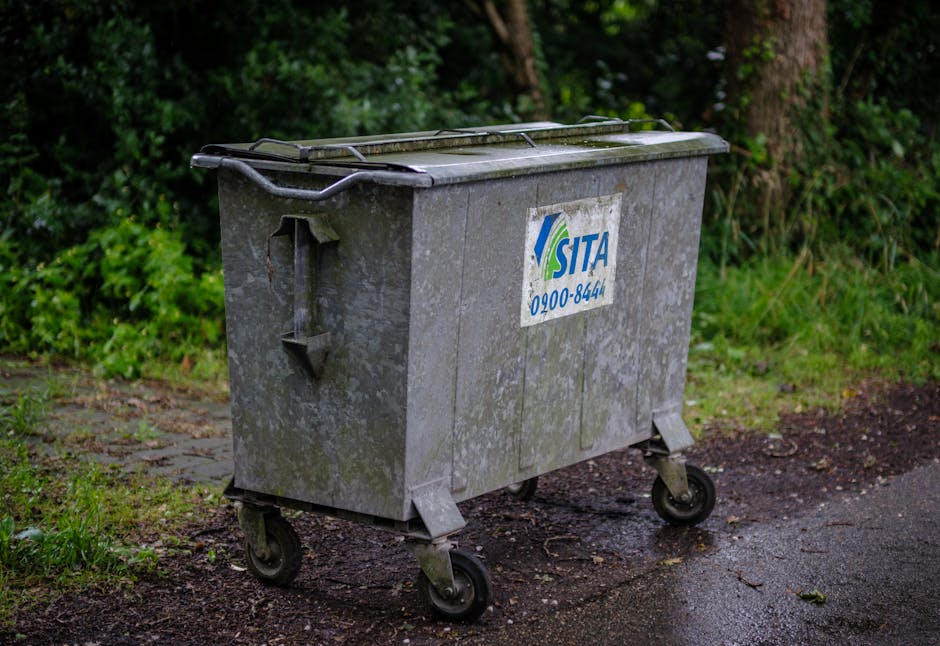
Sidcup DA14 bulky waste collection: Prices Explained
If you are staring at an old sofa, a broken wardrobe, or a pile of heavy household junk and wondering what it will actually cost to get rid of it, you are in the right place. Sidcup DA14 bulky waste collection: Prices Explained is not just about numbers; it is about understanding what you are paying for, what affects the quote, and how to avoid the sort of surprises that make a simple job feel awkward and expensive. In a place like Sidcup, where homes vary from compact flats to larger family houses, the right waste removal option depends on access, load size, item type, and how quickly you need it gone.
This guide breaks everything down in plain English. You will see how bulky waste collection typically works, what influences pricing, when it makes sense compared with a skip or a council-style collection, and how to prepare so the job runs smoothly. Let's make it simpler. No fluff. No mystery math.
- Why pricing matters in Sidcup DA14
- How bulky waste collection works
- Key benefits and practical advantages
- Who this service is for
- Step-by-step guidance
- Expert tips for better value
- Common mistakes to avoid
- Tools, resources and recommendations
- Law, compliance and best practice
- Options and comparison table
- Case study / real-world example
- Practical checklist
- Conclusion
- Frequently asked questions
Why Sidcup DA14 bulky waste collection: Prices Explained Matters
Bulky waste is one of those jobs that looks straightforward until you start moving things. A mattress sounds manageable. Two wardrobes, a chest of drawers, a broken exercise bike, and a bag of old household rubbish? Suddenly the task changes. That is exactly why pricing clarity matters. You are not just paying for removal; you are paying for labour, loading time, transport, disposal handling, and often the convenience of not having to wrestle awkward items down the stairs yourself.
For Sidcup DA14 residents, price transparency is especially useful because access can vary a lot. A ground-floor maisonette with space to park nearby is a different job from a third-floor flat with narrow stairs and no lift. Even the best-kept quote can shift if the team arrives and finds heavier items, extra bags, or more carrying distance than expected. Truth be told, this is where many people get caught out: they compare headline prices without looking at what is included.
Understanding pricing also helps you choose the right service. If you only need one item removed, a large clearance package may be overkill. If you are clearing an entire garage, though, a one-item fee can end up costing more in the long run. The real value is not the lowest number on the page. It is the right number for the actual job.
There is also the safety side. Bulky items can be awkward, sharp, dusty, or just plain heavy. A quick lift in the hallway can become a pulled back or a damaged wall if nobody is careful. Pricing often reflects that risk. Fair enough.
How Sidcup DA14 bulky waste collection: Prices Explained Works
Most bulky waste collection services follow a similar pattern, even if the pricing model differs slightly from one provider to another. In simple terms, you describe what needs removing, share a few photos if possible, receive a quote, agree a time slot, and the team removes the items from your property. The final amount is usually based on volume, labour, and the type of waste involved.
Some providers price by load size, such as a quarter load, half load, or full load. Others price by individual items. A mixed load may be quoted after a look at photos, because a single bulky item can occupy more space than a collection of smaller pieces. For example, one sofa and a double mattress might sound small, but together they can take up a surprising amount of van space once safely loaded.
Here is what commonly affects the price:
- Volume: how much space the items take in the vehicle
- Weight: heavier loads are harder to lift and dispose of
- Item type: furniture, white goods, mattresses, and mixed junk may be treated differently
- Access: stairs, parking distance, and carrying routes can change labour time
- Urgency: same-day or next-day collection can cost more
- Waste condition: clean reusable items may be handled differently from damaged or contaminated waste
You may also see minimum charges. That is normal. A business still has to send a vehicle, fuel it, pay staff, and process the waste properly even if you only have a single item. So while it can feel steep for one chair, the quote often reflects a full service rather than a casual pickup.
When you contact a provider, useful details help keep the estimate accurate: item count, rough sizes, floor level, whether disassembly is needed, and whether the items are already outside. A quick photo or two can make a big difference. It saves time, and honestly, it saves that awkward back-and-forth where everyone is trying to guess what "a few bits" really means.
Key Benefits and Practical Advantages
People usually book bulky waste collection for one main reason: they want the problem gone, quickly and properly. But the benefits go beyond convenience. When you understand the price structure, you can actually make better decisions and often reduce the final cost too.
- No van hire or heavy lifting: You avoid hiring transport, finding helpers, and risking injury.
- Quicker turnaround: A good collection service can clear items in one visit, which is useful if you are moving, redecorating, or dealing with an estate clearance.
- Less disruption: The work is done for you, often with minimal hassle if access is prepared.
- Better budgeting: Knowing how quotes are built makes it easier to compare options without comparing apples to oranges.
- Responsible disposal: Reputable providers sort items for reuse, recycling, and lawful disposal where possible.
There is a practical bonus too: once the clutter goes, the space feels bigger immediately. You notice it when you walk into the room. The corner breathes again. The hallway stops feeling like a storage lane. Small win, but a real one.
For landlords, letting agents, homeowners, and people clearing a property after a move, this can be worth more than the headline price suggests. Time saved is money saved, yes, but peace of mind has a value as well. Not everything fits neatly into a spreadsheet.
Expert summary: The best bulky waste price is usually the one that matches the actual load, includes clear labour and disposal terms, and avoids hidden extras for access or item handling.
Who This Is For and When It Makes Sense
Bulky waste collection in Sidcup DA14 is useful for a broad range of people, not just households doing a spring clean. In practice, it tends to suit anyone who has heavy, awkward, or simply too much waste to manage alone.
Typical situations include:
- Homeowners replacing old furniture or clearing rooms before decorating
- Tenants needing to empty a flat before moving out
- Landlords dealing with leftover furniture or abandoned items
- Families clearing lofts, garages, or sheds that have slowly filled up
- Small businesses removing worn office furniture or unwanted equipment
- People downsizing and deciding what stays and what must go
It makes the most sense when the items are awkward to transport or when you do not want the stress of arranging multiple trips to a disposal site. If your waste is mostly bulky items rather than general rubbish, this kind of collection can be very efficient.
It may be less suitable if you only have a tiny amount and can safely transport it yourself. In those cases, another option could be cheaper. But if lifting is a concern, if parking is tight, or if the items are too large for your car, then paying for removal often ends up being the calmer choice. And sometimes calmer is worth paying for.
Think of it this way: if the job is likely to involve borrowed favours, a strained back, and a car full of dust, you are probably already edging toward a professional collection anyway.
Step-by-Step Guidance
If you want a sensible price and a smooth collection, follow a clear process. It is not complicated, but a little preparation can make a real difference to the quote and the experience.
- List the items. Write down everything you want removed. Be specific. "Wardrobe" is better than "big wooden thing."
- Separate bulky waste from general rubbish. Mixed waste is sometimes priced differently, so keep things grouped if possible.
- Take photos. Pictures of the items, access route, stairs, and parking situation help with accurate quoting.
- Ask what is included. Check whether labour, loading, disposal, and VAT or other charges are part of the price.
- Clarify access. Mention if the items are upstairs, in a loft, or behind a locked gate.
- Confirm the collection time. Make sure you know whether it is a same-day, next-day, or booked slot service.
- Prepare the items. If safe, move items to an accessible point and remove personal belongings from drawers or cupboards.
- Check the final amount before work begins. A good provider should be able to explain any change before loading starts.
A small but useful tip: if an item can be dismantled safely, ask whether that changes the price. Sometimes it does. Sometimes it does not. But it is worth asking. The same goes for items that are already downstairs or outside. Less labour can mean a better quote.
And yes, measure the doorways if you are unsure. A wardrobe that looks fine in the bedroom can become the least cooperative object in the house when it reaches a narrow landing. Homes do enjoy testing patience like that.
Expert Tips for Better Results
People often think the cheapest quote is the best quote. Not always. The better question is: what is the quote actually covering? That little detail changes everything.
1. Be honest about quantity and access
If you understate the load, the price can change on arrival. That is frustrating for everyone. A few honest photos and a realistic description usually produce a better estimate than trying to keep the job sounding smaller than it is.
2. Group similar items together
When furniture, white goods, and loose bags are all mixed together, the collection can become harder to assess. Grouping them helps with pricing and loading. It also makes the job faster, which is never a bad thing.
3. Ask about reusable items
Some providers separate reusable furniture from general waste where possible. If you have items in decent condition, mention that. It may not always reduce the cost, but it can affect how the collection is handled.
4. Watch for access surprises
A short walk from van to front door is very different from carrying a sofa through a basement corridor and up two flights of stairs. If you think access might be awkward, say so early. A realistic quote is better than a pleasant guess that later turns into a headache.
5. Time the job well
If you are doing a clear-out, try to bundle items together rather than booking several small collections over time. One larger, planned visit is often better value than multiple emergency removals.
There is also a soft skill here: keep the space clear before the team arrives. It sounds obvious, but a tidy route saves time. A few minutes spent moving shoes, bins, or boxes can shave effort off the collection. Small thing. Big effect.
Common Mistakes to Avoid
Most pricing problems come from avoidable misunderstandings rather than bad service. A bit of planning prevents a lot of "I thought it included that" moments.
- Using vague descriptions: "A few items" is not enough if the job includes bulky furniture.
- Ignoring access details: Stairs, parking restrictions, and long carrying distances all matter.
- Forgetting hidden items: People often remember the obvious sofa and forget the chair, side table, or broken shelving until collection day.
- Assuming every item is treated the same: Mattresses, appliances, and mixed loads may be priced differently.
- Not checking what is excluded: Some providers cannot handle certain hazardous or specialist materials.
- Leaving personal items inside furniture: It is a common one. Drawers, cupboards, and cushions can hide small valuables or paperwork.
Another mistake is comparing a quote for full labour and lawful disposal with a quote that only covers transport. Those are not the same thing. On paper they may look close. In real life, they are miles apart.
If something feels unclear, ask before booking. A reliable provider should not mind explaining the pricing. In fact, if they do mind, that tells you quite a lot.
Tools, Resources and Recommendations
You do not need special equipment to prepare for bulky waste collection, but a few simple tools make the process smoother.
- Measuring tape: Useful for checking item size and doorway clearance
- Phone camera: Photos help with quoting and reduce confusion
- Marker pen or labels: Handy if you are sorting keep, donate, and remove piles
- Gloves: Good for moving dusty or rough items safely
- Cardboard or moving blankets: Useful if you need to protect floors or walls while shifting items
For a wider home clear-out, it can help to think in categories rather than room by room. For example:
- furniture to remove
- items to keep
- items to donate or sell
- waste for disposal
If your clearance is bigger than a single bulky item job, these related services may also be worth considering, depending on what is being removed: house clearance, garage clearance, loft clearance, furniture clearance, furniture disposal, or waste removal. Picking the right service first often saves money later. Simple, but true.
If you are comparing providers, it is also worth looking at practical information such as pricing and quotes, plus business details in about us. For sensitive work, some readers also check insurance and safety and health and safety policy. That is not overthinking it. It is just being sensible.
Law, Compliance, Standards, or Best Practice
Bulky waste collection is not only about convenience. It also carries a responsibility to dispose of waste properly. In the UK, waste should be handled by people and businesses that follow the relevant legal and environmental expectations. You do not need to become an expert in waste legislation to book a collection, but you do want to know that the service is run responsibly.
Best practice usually includes:
- Proper waste handling: items should be sorted, transported, and disposed of through lawful routes
- Clear pricing: the customer should understand what is included before the work starts
- Safe lifting and loading: teams should use sensible manual handling practices
- Responsible recycling: recyclable materials should be separated where possible
- Appropriate paperwork or records: businesses should be able to show how waste is managed
There is also a practical point for customers: if someone offers suspiciously cheap waste removal with no explanation, no paperwork, and no clear process, that is a red flag. Fly-tipping and poor disposal practices can create real problems for property owners and the local area. Nobody wants that.
For peace of mind, read provider policies where relevant. Pages such as recycling and sustainability, payment and security, and terms and conditions can help you understand how the service operates. If something goes wrong, it is also useful to know the provider has a clear complaints procedure.
Put simply: fair pricing and responsible disposal should go together. If they do not, something is off.
Options, Methods, or Comparison Table
People in Sidcup DA14 usually compare bulky waste collection with a few other approaches before deciding. Here is a straightforward look at the main options.
| Option | Best for | Typical strengths | Possible drawbacks |
|---|---|---|---|
| Bulky waste collection | Large household items, furniture, mixed bulky loads | Convenient, labour included, quick removal | Can cost more than DIY if you only have one small item |
| DIY van hire and tip run | People comfortable lifting and transporting items | May suit larger self-managed clear-outs | Time, fuel, lifting risk, parking and loading effort |
| Skip hire | Ongoing clear-outs, renovation waste, larger volume jobs | Useful when waste is generated over several days | Needs space, permits may be needed, and heavy lifting remains your job |
| Council-style collection | Limited items, low urgency, residents following local collection arrangements | Can be suitable for one-off disposals | Availability, item limits, and timing may be less flexible |
Which option is best depends on your actual situation. If you have one sofa and a mattress, bulky waste collection is often the cleanest solution. If you are clearing out a garage full of renovation offcuts over several days, a skip may make more sense. If you can safely load everything yourself and already have access to transport, DIY might be cheaper. Might. Not always, once fuel and time are counted properly.
A quick rule of thumb: if the hard part is the lifting, bulky waste collection is often worth the money. If the hard part is volume spread over time, a skip may be more practical. If the hard part is simply getting started, well, that is a different article entirely.
Case Study or Real-World Example
Imagine a typical Sidcup DA14 situation. A family has replaced a worn sofa, a dining table, and two chairs. They also have a broken office chair, a flat-pack wardrobe box, and a few bags of mixed household bits from a spare room clear-out. Nothing hazardous, just awkward.
At first glance, they think they only need "one sofa removed." But after listing everything properly, they realise the job is really a mixed bulky load with access through a narrow hallway and parking about a short walk from the front door. That changes the quote. Not dramatically, but enough to matter.
They send photos, confirm the items are on the ground floor, and ask whether the wardrobe can be dismantled. It can, but it is already partly broken. In the end, the service prices the collection based on the load size and the labour involved. The result is a fairer quote and a cleaner collection day because everyone knew what to expect.
What does this show? That pricing is less about the headline item and more about the whole job. One sofa may look simple. The real cost depends on what surrounds it: the extra bits, the access, the weight, and the time needed to clear everything safely. That is the bit people miss when they only ask "how much for a sofa?"
And yes, the room looked oddly empty afterwards. Funny how a single bulky item can make a space feel cramped for months, then suddenly open up once it is gone.
Practical Checklist
Use this before booking your Sidcup DA14 bulky waste collection:
- List every item you want removed
- Take clear photos from different angles
- Check whether any items are especially heavy, fragile, or awkward
- Measure large furniture if you are unsure about access
- Note stairs, parking distance, and any locked gates
- Ask what the quote includes and excludes
- Confirm whether VAT or other charges apply, if relevant
- Remove personal items from drawers, cupboards, and cushions
- Separate reusable, recyclable, and waste items if practical
- Agree the collection time and payment method before arrival
Checklist done properly saves hassle. It really does. A little prep at the start can be the difference between a neat, efficient pickup and a day of minor chaos.
Conclusion
Sidcup DA14 bulky waste collection pricing becomes much easier to understand once you look beyond the headline number. The quote is usually shaped by volume, weight, access, labour, item type, and timing. Once you know that, you can compare services more fairly and choose the option that actually fits the job in front of you.
The best outcome is not just getting rid of the clutter. It is knowing the price makes sense, the collection is handled responsibly, and the whole thing is done without stress. That is the sweet spot. Clear quote, clear access, clear result.
If you are planning a clear-out, take a few photos, write down the exact items, and ask direct questions before booking. It is a small bit of effort now for a much easier day later. And honestly, that is one of the easiest wins in home organisation.
Get a free quote today and see how much you can save.
Frequently Asked Questions
How much does bulky waste collection in Sidcup DA14 usually cost?
Costs vary depending on the volume, number of items, access, and how much labour is involved. A single item is usually priced differently from a mixed load, and awkward access can increase the quote.
Is it cheaper to remove bulky waste myself?
Sometimes, yes, but only if you already have transport, lifting help, and time. Once you factor in fuel, effort, parking, and disposal logistics, professional collection can be better value than it first appears.
What items count as bulky waste?
Typical bulky waste includes sofas, armchairs, wardrobes, tables, mattresses, drawers, beds, and large broken household items. Some providers also remove white goods and mixed household waste, but always check first.
Can I get a quote from photos?
Yes, in many cases photos are the easiest way to get a realistic estimate. A picture of the items plus the access route usually gives a much better quote than a rough verbal description.
Why do some collections cost more than expected?
Extra labour, stairs, long carrying distances, hidden items, or more waste than first described can all affect the final price. This is why clear photos and honest item lists matter so much.
Do I need to be home during collection?
Usually, yes, or at least someone needs to be available to confirm the items and final details. Some collections can be arranged with instructions in advance, but it depends on the provider and the setup.
Is bulky waste collection suitable for flats?
Absolutely, but access is a key factor. Flats with stairs, no lift, or narrow corridors may need more labour, which can affect the price and timing.
What is the difference between bulky waste collection and a house clearance?
Bulky waste collection usually focuses on large individual items or smaller mixed loads, while house clearance is broader and often covers multiple rooms or an entire property. If you have a full property clear-out, a clearance service may be more suitable.
Can I include broken furniture and garden items together?
Sometimes, yes. But mixed loads may be assessed differently depending on the materials involved and the disposal route required. It is best to mention everything upfront so the quote is accurate.
How do I know if a quote is fair?
A fair quote should clearly explain what is included, how the load is priced, and whether access or extra labour could change the cost. If the explanation is vague, ask for a breakdown before agreeing.
What should I do before the team arrives?
Move the items somewhere accessible if you can do so safely, clear a route, remove personal belongings, and make sure the provider knows about parking or access issues. A few minutes of prep usually makes the collection faster and smoother.
Are there any items bulky waste teams may not take?
Yes. Certain hazardous or specialist items may need separate handling. If you are unsure about anything unusual, mention it before booking so you do not get caught out on the day.
For anything beyond a simple one-off pickup, it can help to review the wider service options on the site and see whether a more specific clearance is a better fit for your situation. A quick look now can save a lot of backtracking later, which, let's be honest, nobody enjoys.