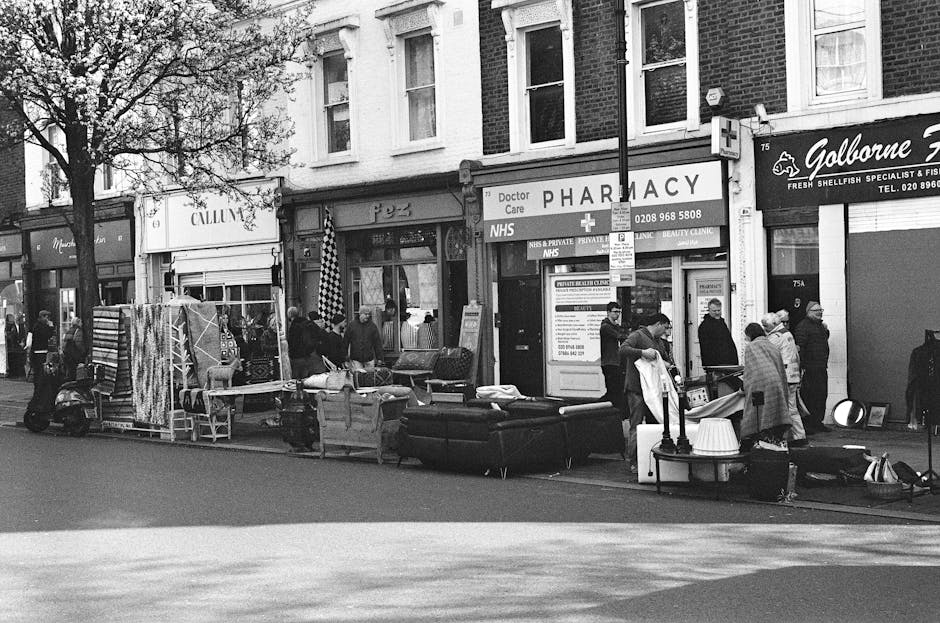
Sidcup High Street business rubbish essentials for shop owners
If you run a shop on Sidcup High Street, rubbish is never just rubbish. It builds up fast, it gets in the way of deliveries, and if it is handled badly, it can create a poor first impression before a customer even steps through the door. The practical side of Sidcup High Street business rubbish essentials for shop owners is simple enough, but the details matter: what you store, how often you move it, what can be recycled, and who is responsible for taking it away.
This guide walks through the essentials in plain English. You will see how shop waste works day to day, what to watch out for, how to stay tidy and compliant, and how to make sensible decisions without overcomplicating things. Truth be told, most shop owners do not need a grand strategy. They need a workable routine that keeps the entrance clear, the stockroom sane, and the waste under control.
One quick note before we begin: the right waste setup is rarely about one magic solution. It is about a few good habits, the right containers, and a clear plan for collection and disposal. That is where the real value sits.
Contents
- Why it matters on Sidcup High Street
- How shop waste handling works
- Key benefits and practical advantages
- Who needs this and when it makes sense
- Step-by-step guidance
- Expert tips for better results
- Common mistakes to avoid
- Tools, resources and recommendations
- Law, compliance and best practice
- Options, methods and comparison table
- Case study / real-world example
- Practical checklist
- Conclusion
- Frequently asked questions
Why Sidcup High Street business rubbish essentials for shop owners Matters
High street shops live and die by presentation. A neat window display helps, of course, but so does a back-of-house area that does not smell faintly of cardboard and old packaging by mid-afternoon. Waste affects customers, neighbours, staff morale, safety, and sometimes even your trading rhythm. If bins overflow or bags are left in the wrong place, the problem becomes visible very quickly in a busy area like Sidcup High Street.
There is also a practical flow issue. Deliveries arrive. Packaging comes off. Stock rotation creates cardboard, plastic wrap, broken cartons, and occasional damaged goods. If there is no routine, these things pile up in awkward corners. Then the stockroom starts shrinking, the fire exits become less comfortable than they should be, and someone has to do a rushed clear-up at closing time. Nobody loves that part of the job, let's face it.
Good waste management matters because it supports the whole shop operation. It is not glamorous, but it stops small messes becoming expensive headaches. It also helps you show care to customers who notice when a place feels organised. On a street where people are passing by shops, buses, and deliveries all day long, that impression is worth protecting.
Expert summary: The best waste setups are boring in the best possible way. They run quietly, stay out of sight, and keep the shop looking open, clean, and ready for business.
How Sidcup High Street business rubbish essentials for shop owners Works
At a basic level, shop waste management works in stages. Waste is sorted, stored, collected, and removed. Simple enough. The challenge is making each stage fit the real pace of a shop day. A florist, a convenience store, a cafe, and a small clothing boutique will all produce different waste streams, and each one needs a setup that matches the type and volume of rubbish created.
Most shops deal with a mix of general waste and recyclable materials such as cardboard and plastic packaging. Some businesses also need to think about food waste, damaged stock, broken fittings, or occasional bulky items. If you are clearing out old shelving, changing displays, or replacing furniture, you may need a more substantial one-off clearance rather than the ordinary bin routine.
In practice, the process often looks like this:
- Waste is separated where possible into general rubbish and recyclable material.
- It is stored in safe, accessible containers away from customer areas.
- Collections are scheduled to match trading volume, so the shop does not overflow.
- Any bulky or unusual waste is arranged separately through a suitable removal service.
That sounds straightforward, and most of the time it is. The details are where businesses either save time or create constant friction. A cardboard-heavy shop, for example, needs room to flatten boxes quickly. A back room with no spare space can become chaotic by the end of the week. And if your team is guessing where each item goes, the whole system gets messy fast.
If you want a broader overview of commercial waste handling, the page on business waste removal is a useful starting point. For larger clear-outs, damaged stock, or furniture-heavy jobs, it may also help to look at waste removal options more generally.
Key Benefits and Practical Advantages
The main benefit of getting shop rubbish essentials right is that the shop runs cleaner, faster, and with fewer unpleasant surprises. But there are several smaller wins that matter too. These are the kind of gains you only really notice once the system is working properly.
- Better shop presentation: Customers see a tidier entrance, cleaner pavement area, and less clutter around bins or side access points.
- Improved staff efficiency: People know where things go, so waste handling becomes a quick habit rather than a daily debate.
- Reduced storage pressure: When packaging is removed on time, your back room stays usable for stock, not towers of flattened boxes.
- Lower risk of smells and pests: Particularly important for food-adjacent businesses and shops with regular deliveries.
- More reliable compliance: A clear process makes it easier to follow expectations around storage, separation, and responsible disposal.
- Better recycling outcomes: Good sorting means less recyclable material gets mixed into general waste for no good reason.
There is also a calmer feeling that comes from knowing waste is under control. Staff can shut the shop at the end of the day without staring at a mountain of packaging and thinking, "we'll deal with that tomorrow." Tomorrow has a habit of arriving, naturally.
For businesses trying to improve sustainability, the recycling and sustainability approach can help you think beyond simple disposal and toward better sorting, reuse, and reduction. That is often where long-term savings begin, even if the gains are not dramatic on day one.
Who This Is For and When It Makes Sense
These essentials matter to almost any shop owner on or near Sidcup High Street, but some businesses feel the pressure more than others. If you recognise your own day-to-day in any of the scenarios below, you probably need a tighter waste routine.
Retail shops with regular packaging
Clothes shops, gift shops, shoe retailers, and general retail units often deal with a lot of cardboard, poly wrap, tags, inserts, and shipping waste. The waste may not be messy, but it adds up quickly. When deliveries arrive several times a week, a small bin system is rarely enough on its own.
Food businesses and take-away counters
Food businesses usually have more urgent waste needs because of smells, hygiene, and timing. Even if the waste volume is not huge, it needs moving consistently. Left too long, it becomes noticeable. Customers catch that kind of thing faster than many owners expect.
Shops with limited storage space
If your stockroom is already tight, waste can be a genuine operational problem. A couple of large boxes in the wrong place can block access or create trip hazards. In small premises, a simple system is not optional. It is survival.
Shops doing seasonal refreshes or refits
During a refit, waste changes shape. You are no longer dealing with ordinary packaging only; you may have old fittings, shelving, damaged stock, and mixed bulky items. That is when a one-off clearance makes more sense than a routine bin service.
For shop owners asking whether they should handle waste in-house or bring in outside help, a mixed approach often works best. Daily tidying and sorting can stay in-house, while heavier removals go to a professional service. The page on office clearance is not just for offices, by the way; it can be useful to read if you are planning a workplace-style clear-out with desks, shelving, or equipment. For smaller but still bulky retail items, furniture disposal may be the more relevant fit.
Step-by-Step Guidance
If you want a simple route to better shop rubbish management, start here. No drama. Just a practical sequence that works for most small businesses.
- Review what waste you actually produce. Spend a few days noticing what fills up first: cardboard, plastic wrap, damaged stock, food waste, or mixed rubbish. You do not need a perfect audit, just a realistic picture.
- Match bins to waste types. Keep separate containers where practical. If recyclable cardboard keeps getting thrown in with general waste, the problem may be container placement, not staff attitude.
- Set a collection routine. Make sure waste is cleared often enough to avoid overflow, especially after deliveries or busy trading days. Consistency beats panic every time.
- Designate a waste point. A clear space for waste storage reduces confusion and stops bags and boxes being left wherever there is room. That one little decision can save a lot of irritation.
- Train staff in the simple bits. Keep instructions short. People need to know what goes where, when items should be flattened, and which waste should never be mixed.
- Plan for bulky or odd items separately. Broken furniture, display units, old fixtures, or stockroom clear-outs usually need a different process from normal bin waste.
- Review every few months. Waste habits drift. A setup that worked in spring may not suit Christmas stock levels or summer footfall.
One useful habit is to walk the waste route at closing time. Start in the till area, move through the stockroom, and check where waste naturally gathers. You will quickly spot the bottle-neck. Often it is somewhere obvious, which is mildly annoying, but also useful.
If you need a one-off uplift or a faster response, a same-day style option can be worth exploring. The blog post on same-day rubbish removal in Sidcup gives a sense of how urgent clearances can fit around a busy trading schedule.
Expert Tips for Better Results
Here are the small adjustments that often make the biggest difference. These are not flashy, but they help a shop feel ordered rather than constantly half-cleared.
- Flatten cardboard immediately. A single unflattened box can take up the space of three neat ones. That sounds obvious, and yet it gets missed all the time.
- Keep waste away from customer sightlines. Even tidy bags look untidy if they sit beside the front door all day.
- Put labels where people can see them. If staff need to guess, they probably will, and usually not in your preferred direction.
- Use smaller, more frequent clear-outs during busy periods. This can be easier than waiting for waste to build up into a huge chore.
- Measure your problem points. If the same corner keeps filling up, it is telling you something. Listen to the corner. Slightly odd, but true.
- Keep a spare plan for peak days. Friday delivery, Saturday rush, bank holiday trading, seasonal stock. Waste patterns shift, and you do not want to improvise under pressure.
Also, do not underestimate the value of a short weekly reset. Ten minutes with two staff members, one broom, and a pile of boxes can change the whole feel of the shop. A tiny effort, big effect.
Common Mistakes to Avoid
Most waste problems are not caused by one big failure. They are caused by a few small habits stacking up. The good news is that they are usually fixable once you spot them.
Mixing waste streams without thinking
Putting everything into one bag feels efficient in the moment, but it usually leads to more expensive disposal, less recycling, and more mess. Some items should be kept separate simply because that is the smarter, cleaner way to handle them.
Waiting until bins are full before acting
If you wait for every container to hit capacity, you are already behind. Shops work better with early clearing, not crisis management.
Ignoring bulky waste until it becomes urgent
Old shelving, damaged fixtures, and outgrown display units have a habit of lingering. Then they start stealing valuable space. If you do a seasonal rework or refit, plan the disposal before the new stock arrives, not after. That part matters a lot.
Leaving staff unsure about the process
Vague instructions are a classic problem. "Someone will sort it later" is not a system. It is a hope. Hope is nice, but waste management needs something sturdier.
Forgetting about weather and street conditions
On wet days, loose packaging gets heavier and messier. On windy days, cardboard can become an unwelcome guest on the pavement. A shop in a busy high street environment needs storage and handling that account for ordinary British weather, because of course it will show up right when you least want it.
Tools, Resources and Recommendations
You do not need much to improve waste handling, but the right basics save time every week. In most small shops, a few simple tools go a long way.
- Clear, labelled bins: Best for reducing confusion and making waste sorting almost automatic.
- Box cutters and flattening tools: Handy for breaking down packaging quickly and safely.
- Gloves and basic PPE: Useful for staff handling rough packaging, broken items, or dirty waste.
- Durable storage sacks or sacks designed for mixed waste: Helpful when the volume spikes unexpectedly.
- Simple internal checklist: A one-page close-down routine can make a real difference.
- Photo-based waste reference sheet: Surprisingly practical for new staff. A picture often beats a paragraph.
For businesses that want to choose a suitable removal route, the service information on pricing and quotes can help you think about budgeting before booking. If you are comparing clearance approaches, you may also find Bexley council bins vs private rubbish services in Sidcup useful for context, especially if you are weighing flexibility against routine collection.
And if your shop is thinking more broadly about responsible disposal methods, the article on recyclable packaging and better cardboard disposal is a sensible read. Cardboard is one of the easiest wins for many stores, yet it is often treated as an afterthought. Funny how that happens.
Law, Compliance, Standards, or Best Practice
This area deserves care, because business waste sits inside a wider set of duties and expectations. The exact requirements can vary depending on your business type, the waste type, and how it is collected, so it is always wise to check the current rules that apply to your premises and operation. In general, shop owners should aim for safe storage, responsible separation where practical, and use of suitable disposal methods.
Best practice usually includes the following:
- Keeping waste secure: Bags and bins should not create hazards for staff, customers, or passers-by.
- Preventing obstruction: Waste should not block walkways, access points, or exits.
- Using appropriate services: Bulky or unusual waste should go to a provider equipped to handle it properly.
- Storing waste sensibly: Especially in places where smells, pests, or contamination could become a concern.
- Handling hazardous or specialist waste carefully: If your shop produces items like sharp waste, chemicals, or other risky materials, do not improvise.
For general safety expectations and workplace handling considerations, the page on health and safety policy and the related insurance and safety information may be helpful. These are useful reading points if you want reassurance about how a responsible provider approaches the work.
If the waste includes anything unusual, dirty, or potentially hazardous, do not treat it like standard packaging. That includes items with broken edges, contaminated materials, or anything that staff could be hurt by while moving it. Better safe than sorry. A bit of caution now is easier than a problem later.
Options, Methods, or Comparison Table
There are a few common ways shop owners handle rubbish on Sidcup High Street. The right choice usually depends on waste volume, available storage, and how often the shop generates bulky items. Here is a simple comparison to help you think it through.
| Method | Best for | Strengths | Limitations |
|---|---|---|---|
| Routine in-house sorting | Small to medium shops with predictable daily waste | Low fuss, easy to maintain, good for cardboard and light packaging | Needs staff consistency and enough storage space |
| Scheduled business waste collection | Shops with regular, repeat waste output | Reliable, tidy, easier to plan around trading hours | Can be less flexible during seasonal spikes |
| One-off clearance service | Refits, bulky items, overstock, or sudden clean-outs | Fast removal of awkward items, saves staff time | Not ideal as the only solution for day-to-day rubbish |
| Mixed approach | Most independent shops | Balances cost, convenience, and flexibility | Requires a bit of planning so responsibilities stay clear |
For many shop owners, the mixed approach is the sweet spot. Keep regular waste under control in-house, then call in help when you need a bigger clean-up. That keeps things practical without overcommitting to a system that feels too rigid.
Case Study or Real-World Example
Imagine a small independent gift shop on or near Sidcup High Street. During normal weeks, the main issue is packaging: cardboard boxes, wrapping, void fill, and occasional damaged stock. The owner starts by storing waste in one rear area, but by Thursday the boxes are stacked awkwardly, staff are stepping around them, and the room feels cramped. Nothing dramatic. Just annoying enough to slow everyone down.
The fix is not complicated. The owner introduces a simple end-of-day routine: flatten boxes immediately, separate recyclable cardboard from general waste, and clear bags to a single labelled point before closing. A second change is made after a seasonal reset, when a couple of old display units and broken shelves need removing. Rather than trying to squeeze those items into the normal routine, the shop books a one-off clearance and gets the space back in a single visit.
The result is better than expected. Staff spend less time moving clutter around, customers are not confronted by overflow near the entrance, and the stockroom becomes usable again. Not perfect, not magical. Just easier to run. And honestly, easier is a win in retail.
If your shop is facing a larger clear-out, the furniture clearance service may be more suitable than general waste alone, especially when old counters, shelving, or display pieces need to go. For very different spaces with mixed household-style items, home clearance might show the scale of what a broader clearance service can handle, but for shops the principles are similar: sort, remove, and reclaim space.
Practical Checklist
Use this as a quick end-of-day or weekly check. It is not fancy, but it keeps the basics honest.
- Are bins clearly labelled and placed where staff actually use them?
- Is cardboard being flattened before storage?
- Are recyclables and general waste kept separate where practical?
- Are waste containers overflowing or left too long before collection?
- Is the stockroom clear of loose packaging and old boxes?
- Are bags stored securely and away from customer walkways?
- Have any bulky items been identified for separate removal?
- Do staff know the basic waste routine without needing to ask every time?
- Have you checked for any smells, spills, or pest risks?
- Does the setup still fit your current trading pattern, not last season's?
If you can tick most of those off, you are probably in decent shape. If not, that is fine too. Waste systems are usually improved in small steps, not all at once.
Get a free quote today and see how much you can save.
Conclusion
The real point of Sidcup High Street business rubbish essentials for shop owners is not to make waste management feel formal or complicated. It is to make the shop easier to run. A clean entrance, a tidy stockroom, sensible sorting, and a plan for bulky items all add up to a calmer working day. That matters more than many owners first realise.
Start with what you can control: your bins, your storage point, your staff routine, and your collection timing. Then build from there. Small improvements are usually enough to change the feel of a whole shop, and once that happens, you notice the difference every day. Little by little, it all gets lighter.
And if today's the day you finally tackle that pile of boxes in the back room, well, good. That job has probably been waiting long enough.
Frequently Asked Questions
What are the main rubbish essentials for shop owners on Sidcup High Street?
The main essentials are a clear sorting system, the right bins or containers, a regular collection routine, and a plan for bulky or unusual waste. Most shops need a mix of daily tidying and occasional professional removal.
How often should a shop clear its waste?
That depends on trading volume, delivery frequency, and the kind of waste produced. Busy shops often need daily attention, while larger clear-outs can be scheduled weekly or as needed. The key is not letting waste build up to the point where it affects customers or staff movement.
Can cardboard and packaging go in with general waste?
Technically it can, but it is usually a bad idea if recyclable sorting is possible. Cardboard is often one of the easiest materials to separate, and doing so helps keep disposal tidier and more efficient.
What should I do with broken furniture or old shop fittings?
Those items usually need a separate clearance rather than standard bin disposal. If they are bulky, awkward, or too large for ordinary waste handling, it is better to arrange a suitable removal service.
Is it better to use a council service or a private rubbish removal company?
It depends on your schedule, the waste type, and how quickly you need it gone. Council services may suit routine arrangements, while private services can be more flexible for commercial timing, bulky items, or faster turnarounds.
How can I stop waste from taking over my stockroom?
Flatten packaging immediately, use a dedicated waste area, and clear items before they pile up. A stockroom becomes hard to manage when waste is treated as an afterthought rather than part of the close-down routine.
Do shop owners need special help for hazardous waste?
If a shop produces anything sharp, contaminated, chemical-based, or otherwise risky, it should be handled with extra care and in line with the relevant requirements. Do not mix those materials with ordinary rubbish.
What are the most common waste mistakes shops make?
The most common mistakes are leaving waste unlabelled, failing to flatten boxes, storing rubbish in customer view, and waiting until bins are completely full before dealing with them. Small habits cause most of the problems.
How do I know if I need a one-off clearance?
If you are refitting, removing bulky items, clearing old stock, or dealing with a sudden backlog, a one-off clearance is usually the sensible choice. It is especially useful when ordinary collections are not enough.
Can better rubbish handling actually save money?
Often, yes. Better sorting can reduce unnecessary disposal of recyclable materials, and a tidier system saves staff time. The real savings may be modest at first, but they tend to grow once the routine becomes consistent.
What is the simplest first step I can take today?
Walk through the shop and note where waste collects most often. Then put one clear rule in place for that point, whether it is flattening boxes, labelling bins, or moving bags sooner. Small changes are usually the easiest way in.
Where can I learn more about shop waste options in Sidcup?
A good next read is the guide on shop waste solutions for Sidcup High Street businesses, which looks at practical options in more detail. If you are comparing disposal types, bulky waste disposal costs is also worth a look for budgeting context.
What should I do if I am still unsure about the right setup?
Start with your waste volume, your available storage, and how often your shop receives deliveries. That usually points you toward the right approach. If you are still stuck, a simple discussion about pricing, timing, and the type of waste involved is often enough to narrow it down.