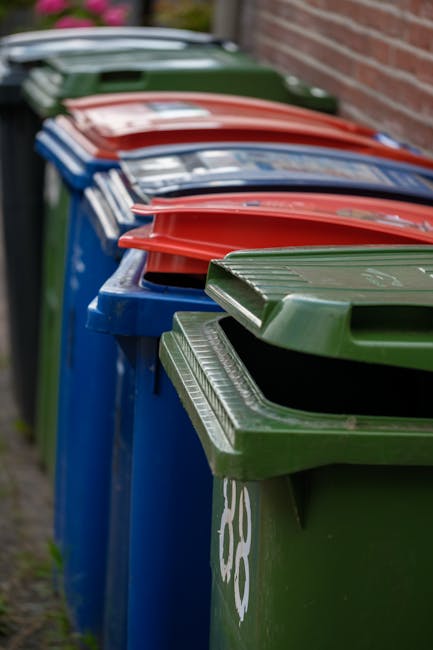
Sidcup Rubbish Guide for Sidcup Station Commuters and Students
If you live, study, or commute through Sidcup Station, rubbish has a habit of becoming a bigger issue than it first looks. One bag becomes two. A broken chair sits in the hallway. A student move-out leaves packaging, old bedding, and bits of furniture piled up by the door. Before you know it, you are trying to sort waste between lectures, train times, and a slightly chaotic week. This Sidcup rubbish guide for Sidcup Station commuters and students is here to make that easier.
What follows is a practical, local-minded guide to handling everyday rubbish, bulky items, and larger clearances without creating extra hassle for yourself or your neighbours. It also covers the sensible bits people forget: timing, safety, recycling, compliance, and when a professional clearance service can save you a lot of running around. Truth be told, that last bit can be the difference between "sorted by lunchtime" and "still dealing with it next Tuesday".
Quick takeaway: if your rubbish is light, sorted, and small, a simple bin run may be enough. If you are moving out, refreshing a flat, clearing student accommodation, or dealing with furniture, it is usually faster and cleaner to plan a proper collection or clearance.
- Why this matters around Sidcup Station
- How rubbish handling works for commuters and students
- Key benefits and practical advantages
- Who this guide is for
- Step-by-step guidance
- Expert tips for better results
- Common mistakes to avoid
- Tools, resources and recommendations
- Law, compliance, standards and best practice
- Options and comparison table
- Real-world example
- Practical checklist
- Conclusion
- Frequently asked questions
Why Sidcup rubbish guide for Sidcup Station commuters and students Matters
Sidcup Station is the kind of place where routines matter. If you are catching a train, rushing to a class, or trying to get to work on time, rubbish has to fit around your schedule, not the other way round. That sounds obvious, but in practice it is where people slip up. Bags get left in hallways. Boxes sit in shared entrances. A small amount of waste quickly becomes a shared problem.
For commuters, the challenge is usually timing. You leave early, get back late, and do not want to spend your evening dragging a sofa across a front path. For students, the issue is usually volume and change. Freshers bring too much. Final-year students leave in a hurry. Flat shares gather random objects in corners. A few spare mugs here, an old desk there, and suddenly the room looks less like a home and more like a storage unit with a kettle.
The reason a local rubbish guide matters is simple: it helps you choose the right disposal method first time. That means less stress, fewer last-minute trips, and far less risk of leaving rubbish in the wrong place. It also helps if you are living in a flat, where access can be awkward and neighbours are not always thrilled by late-night bag shuffling. To be fair, nobody enjoys hearing a recycling box crash down the stairs at 7:10 a.m.
If you are dealing with mixed household waste, old furniture, or the aftermath of a move, services such as waste removal or a more tailored option like flat clearance can be a practical alternative to trying to do everything yourself.
How Sidcup rubbish guide for Sidcup Station commuters and students Works
This guide works by breaking rubbish decisions into manageable parts. Instead of asking, "How do I get rid of all this?", start with a simpler question: "What kind of waste is it, how much of it is there, and how quickly do I need it gone?" That small shift makes the whole process clearer.
Most rubbish around Sidcup Station falls into one of these categories:
- Everyday bagged waste such as food packaging, paper, and general household rubbish.
- Recycling such as cardboard, cans, bottles, and clean dry materials.
- Bulky items such as chairs, tables, mattresses, or shelving.
- Move-out waste including mixed clutter, old storage items, and unwanted belongings.
- Business or study-related waste if you are clearing a workspace, shared office corner, or student project area.
Once you know the type, the next step is deciding the method. Small, sorted waste can usually be managed through normal disposal routines if you have enough time and space. Bulky items, on the other hand, often need collection or a proper clearance service. That is especially true in flats or shared housing, where stairwells, narrow hallways, and limited storage make DIY disposal feel far more complicated than it should.
If you are looking for a more organised clean-out, services like home clearance, house clearance, or furniture disposal may fit better than a one-off trip with a boot full of rubbish bags.
Key Benefits and Practical Advantages
There are a few real advantages to getting rubbish management right early, especially if you are near a busy station and living on a tight schedule.
1. You save time. This is the obvious one, but it matters most. If you are commuting, a single trip to sort waste is one thing. Repeating that trip three times because you misjudged what would fit? That gets old very quickly.
2. Your living space feels calmer. It sounds soft, but clutter has a way of making a room feel smaller and more stressful. A cleared corner can genuinely change how a flat or room feels when you walk in after a long day.
3. You reduce the risk of damage or injury. Heavy items, sharp edges, broken furniture, and overloaded bags can cause avoidable accidents. When people rush, they often lift badly. The back complains later. Usually at the least convenient moment, naturally.
4. You are better prepared for move-in or move-out dates. Students know this pain well. End-of-term deadlines do not leave much room for faffing about. A proper plan keeps the process from becoming a last-night panic.
5. Recycling becomes more straightforward. Sorting waste properly makes it easier to keep recyclable materials separate. That matters if you are trying to be a bit more sustainable without turning your kitchen into a sorting depot.
For larger jobs, the benefits can be even more practical. An arranged service can handle awkward items, lifting, loading, and disposal in one go. If you are comparing options, it is worth looking at furniture clearance alongside recycling and sustainability so the job is both efficient and responsible.
Who This Is For and When It Makes Sense
This guide is for anyone whose daily life passes through Sidcup Station and who needs a sensible way to deal with rubbish without creating a bigger job than necessary.
Commuters with busy schedules
If you leave early and return late, you probably need a rubbish solution that works around your commute. That means shorter, cleaner tasks, predictable collection timing, and less dependence on multiple trips. A household that is mostly under control can still get clogged up by one broken item or a pile of packaging after a home delivery.
Students in shared housing or halls
Students often need quick, flexible waste management. You might be moving between terms, sharing a kitchen with five people, or making a room presentable before handover. In those situations, rubbish builds up fast and can be oddly mixed. Old notes, boxes, bedding, take-away containers, an emergency desk lamp that never worked properly... you know the sort of thing.
People moving flat near the station
Moving is where rubbish gets messy. A lot of what you own suddenly feels less essential when you have to carry it downstairs. If you are vacating a flat, a more complete option such as flat clearance can help with the awkward middle ground between ordinary rubbish and furniture that is too good to dump but too awkward to keep.
Households doing a seasonal clear-out
Not every clearance is about moving. Some are just overdue. A wardrobe refresh, a loft tidy, or a garage session can produce a surprising amount of waste. If that sounds familiar, services like loft clearance or garage clearance may be the sensible route.
Small businesses and home workers
If you study from home, tutor, freelance, or run a small office setup, waste can include old stationery, packaging, broken chairs, and outgrown equipment. For that, office clearance and business waste removal are worth knowing about. Not glamorous, no. Very useful, yes.
Step-by-Step Guidance
Here is a practical process you can follow without overthinking it. Simple is better.
- Sort the waste by type. Separate general rubbish, recyclables, bulky items, and anything that needs special care. If you mix everything together, the job gets harder and the disposal choice becomes less obvious.
- Decide what is staying, donating, or leaving. A lot of people keep items that are only there because no one has had the energy to deal with them. Be honest. If you have not used it in a year and it is not sentimental, it may be ready to go.
- Check access. Lifts, stairwells, narrow doors, and parking all matter. In flats especially, one awkward bend can turn a quick job into a frustrating one.
- Bag or box lighter items securely. Closed, sturdy bags are easier to handle and less likely to cause mess on shared paths or corridors.
- Protect anything sharp, heavy, or breakable. Broken glass, metal edges, or splintered wood should be wrapped safely. You do not want a small cut to ruin your afternoon.
- Book collection or arrange transport. If you are dealing with bulky waste, do not assume your usual routine will work. Compare your options and choose the least stressful one.
- Clear the space fully and sweep through once more. The last walk-around always finds a charger, a shoe, or that missing receipt. Every time.
If the job is bigger than a standard bin run, a planned clearance is often the cleaner route. For example, a student leaving a furnished rental may need a mix of furniture clearance and furniture disposal, while a landlord or homeowner might need a broader house clearance.
Expert Tips for Better Results
A few practical habits make the whole process easier. These are the little things people usually learn the hard way.
- Plan around your commute, not against it. If you know you are out most of the day, try to avoid leaving rubbish decisions until the last minute.
- Use the "one bag rule". If you are tempted to start a job with no plan, at least finish one bag or one category before moving to the next. It keeps things from spreading.
- Keep recycling clean and dry. Cardboard with food stains or wet paper can complicate the sorting stage. Small effort, big difference.
- Measure bulky items before removal day. Especially in flats, a chair that looks easy to carry can turn out to be a nightmare at the stair bend.
- Set aside anything you are unsure about. Do not guess. If an item feels awkward, damaged, or potentially restricted, check it before mixing it into the pile.
- Use daylight where possible. Rubbish work is simply easier when you can see what you are doing. Also less grim, let's face it.
One small but useful habit is to keep a "go" pile and a "maybe" pile when clearing a room. It stops you from making rushed decisions. You will often find that the "maybe" pile shrinks after ten minutes and a cup of tea. Funny how that works.
If you are trying to improve the environmental side of things as well, review the disposal route before the collection day. The recycling and sustainability approach is especially useful when you want to reduce what ends up as mixed waste.
Common Mistakes to Avoid
Most rubbish headaches come from the same few mistakes. The good news is that they are easy to avoid once you know what to look for.
Leaving it until the day you move. That is the classic one. The final day becomes a race against time, and rubbish is rarely the thing you remember to pack first.
Assuming everything can go in one bag. Heavy mixed bags are awkward to lift and often harder to move through shared areas. Break the job into categories instead.
Ignoring access problems. A lot of waste collections go wrong because nobody checked the route from the room to the exit. If the bin store, lift, or stairwell is tight, plan for that.
Forgetting about shared responsibility. In student houses, one person's rubbish often becomes everyone's problem. Agree who is sorting what, otherwise the same bag sits in the kitchen for three days and starts a quiet little feud.
Mixing clean recyclables with food waste or general rubbish. It is not the end of the world, but it does make the task less efficient.
Trying to lift bulky furniture alone. A wobbly wardrobe in a narrow hallway is exactly the kind of thing that deserves two people, gloves, and a bit of patience.
Not checking service suitability. If you need more than simple rubbish disposal, a broader service may be more efficient. For example, builders waste clearance is better for renovation debris, while garden clearance fits outdoor waste after a tidy-up.
Tools, Resources and Recommendations
You do not need a complicated setup. A few sensible tools do most of the work.
- Strong bin bags or refuse sacks for general waste.
- Boxes or crates for books, cables, and smaller items.
- Labels or sticky notes if you are sorting with flatmates or family.
- Gloves for rough edges, dusty loft items, or anything sharp.
- Basic cleaning supplies such as a dustpan, brush, cloths, and a vacuum for the final tidy-up.
- A tape measure for bulky items and awkward doorways.
- Access details for flats, gated areas, or shared buildings, if a collection service needs them.
As a practical recommendation, think in terms of the whole job, not just the waste itself. If your situation is mostly furniture-related, start by comparing furniture clearance and furniture disposal. If it is more of a room-by-room tidy, home clearance might be the better fit. And if you are dealing with a larger premises or work area, office clearance keeps things straightforward.
Law, Compliance, Standards, or Best Practice
For rubbish and clearance work, the safest approach is to follow normal UK waste-handling good practice. You do not need to turn into a compliance expert, but you should be careful about who handles your waste, how it is moved, and whether it is disposed of responsibly.
In plain English, that means:
- Do not dump waste where it should not be left.
- Keep shared walkways, exits, and entrances clear.
- Separate reusable or recyclable items where sensible.
- Use a service that is clear about safety and handling.
- Be especially cautious with sharp, heavy, or potentially hazardous items.
If you are a landlord, student accommodation manager, or small business owner, your responsibilities are usually a bit broader. You should make sure the waste from a clearance is dealt with properly and that the building remains safe during the process. That includes not blocking fire exits and not leaving materials where they could trip people up. Common sense, really, but it is amazing how often that part gets missed.
It also helps to choose companies that publish useful policy pages. For instance, you can review insurance and safety, health and safety policy, and terms and conditions before booking. Those pages are not there for decoration. They tell you how the service thinks about risk, responsibility, and expectations.
Options, Methods, or Comparison Table
There is no single best option for everyone. The right choice depends on volume, urgency, access, and what you are actually throwing away.
| Method | Best for | Pros | Trade-offs |
|---|---|---|---|
| Regular household disposal | Small, bagged, routine waste | Simple, familiar, low effort | Not ideal for bulky or mixed items |
| Self-transport to disposal point | People with time, transport, and only a few items | Flexible and hands-on | Can be tiring, messy, and time-consuming |
| Furniture-specific removal | Chairs, tables, wardrobes, beds, and similar items | Efficient for bulky objects | May not cover mixed waste |
| Flat or house clearance | Move-outs, end-of-tenancy jobs, major declutters | Handles mixed clutter in one go | More involved than a simple pick-up |
| Business or office clearance | Workspaces, study rooms, small offices | Suitable for furniture and office waste | Best when planned rather than rushed |
If you are unsure, ask yourself one blunt question: "Do I actually have rubbish, or do I have a clearance?" The answer usually becomes obvious once you start counting bags, lifting drawers, and looking at the stairwell. Not scientific, but very effective.
Case Study or Real-World Example
Picture a student in a shared flat a short walk from Sidcup Station. The lease ends on Friday. By Wednesday evening, the room contains three bin bags, flat-pack packaging, a wobbly chair, an old shelf, and a small pile of things that are technically "mine" but have not been used since first term. The commute is still happening, classes are still happening, and the landlord wants the room emptied properly.
The first instinct is usually to try and tackle it all in one night. That rarely works well. What does work is a simple split: bagged waste goes first, recycling gets separated, and the chair plus shelf are treated as bulky items rather than general rubbish. Once the waste is categorised, the student can decide whether a smaller disposal task is enough or whether a more complete flat clearance would be quicker overall.
In a case like that, the benefit is not just speed. It is calm. The room gets cleared without a scramble, the corridor stays tidy, and the handover feels manageable. That slight relief at the end of a move-out day? Worth a lot. More than people expect, usually.
Practical Checklist
Use this checklist before you leave waste sitting around for another day.
- Have I sorted general rubbish, recycling, and bulky items separately?
- Do I know whether I need simple disposal or a fuller clearance?
- Have I checked access through hallways, stairs, lifts, and entrances?
- Are any items sharp, broken, or awkward to carry?
- Do I need gloves, tape, boxes, or labels?
- Have I agreed responsibilities with flatmates, family, or housemates?
- Is there anything reusable that should be kept aside?
- Would a specialist service be faster than doing this myself?
- Do I have the time to finish the job properly today?
- Have I left the space clean and safe after removal?
If you can tick most of those off, you are in good shape. If not, slow down a little and sort the hard part first. It saves stress later.
Get a free quote today and see how much you can save.
Conclusion
Rubbish is never glamorous, but it does not need to become a headache either. For Sidcup Station commuters and students, the trick is to keep waste management realistic: match the method to the amount, the access, and the time you actually have. A small amount of everyday rubbish can be handled quickly. A move-out pile, furniture clearance, or room declutter usually needs a more structured plan.
That is really the heart of this guide. Not perfection. Just a cleaner, calmer way to deal with the mess before it starts taking over your day. If you are moving, studying, commuting, or juggling all three at once, a little planning goes a long way. And honestly, sometimes one sensible decision early on saves you from a ridiculous amount of faff later.
For more about the company behind these services, you can also read the about us page, or if you are ready to talk through a job, the contact us page is there when you need it.
Small steps, tidy spaces, less stress. That is a decent trade, all things considered.
Frequently Asked Questions
What is the best way to deal with rubbish near Sidcup Station if I commute every day?
The best approach is usually to separate routine bagged waste from bulky items and deal with each on the most practical day. If you commute often, choose a method that does not depend on several trips or a lot of lifting after work. A planned collection is often easier than trying to fit everything around a packed train timetable.
How do students in Sidcup know when they need clearance rather than normal bin disposal?
If you are dealing with more than a few bags, especially furniture, mixed clutter, or move-out items, it usually shifts from normal disposal into clearance territory. A good rule is: if it would take you more than one tidy trip or you need help lifting it, think clearance.
Can furniture be taken away as part of a rubbish clearance?
Yes, but furniture is often better handled as a separate category. A chair, bed frame, or wardrobe can be straightforward on its own, while mixed waste plus furniture may need a broader service. That is why people often compare furniture-specific options with full house or flat clearances.
Is a flat clearance useful for student accommodation?
Very often, yes. Shared flats and student lets tend to collect a mix of items quickly, and access can be awkward. A flat clearance is useful when you want the space cleared in one go without making multiple runs up and down stairs.
What if I only have a few bags of rubbish?
If it is genuinely just a few light, well-sorted bags, normal household disposal may be enough. Keep recycling separate where possible and avoid overfilling bags. It sounds basic, but overfilled bags are where things get messy fast.
Do I need to worry about access in a Sidcup flat or shared house?
Yes, a little planning helps a lot. Narrow corridors, stairs, lifts, and entrances can slow everything down if you have not checked them first. Even one awkward corner can make a bulky item far harder to move than expected.
What is the difference between waste removal and house clearance?
Waste removal usually refers to taking away rubbish, mixed waste, or unwanted items. House clearance is broader and often covers a whole property or major sections of it. If you are clearing more than one room, house clearance may be the better fit.
Can office waste or study-room clutter be removed too?
Yes. If you work from home, tutor, or have a study corner full of old paperwork, broken furniture, or packaging, office-style clearance can make sense. It is a practical option when the waste is no longer just household clutter.
How do I keep rubbish disposal safe when carrying things down stairs?
Use strong bags, do not overload them, and protect sharp edges. For heavy or awkward items, get help rather than trying to do it alone. Most avoidable mishaps happen when people rush, so take your time even if you are in a hurry.
What should I check before booking a clearance service?
Check what the service covers, how they handle bulky or mixed waste, and whether their safety and terms information is clear. It is also sensible to look at their pricing guidance so you understand the shape of the job before booking.
Is recycling worth separating if I am short on time?
Yes, if you can do it quickly and cleanly. Even a basic split between general rubbish and recyclables makes the job more organised. If you are under real time pressure, start with the highest-value items like cardboard, cans, and clean packaging.
Where should I start if the room is a complete mess?
Start with one visible area, one bag, or one category. Do not try to solve the whole room in your head first. A messy room can feel overwhelming until you begin, and once you do, it usually becomes more manageable quite quickly.